Konjac Instant Dried Shreds: Ingredient Substitution and Supply Chain Stability Analysis for Instant Soup Products
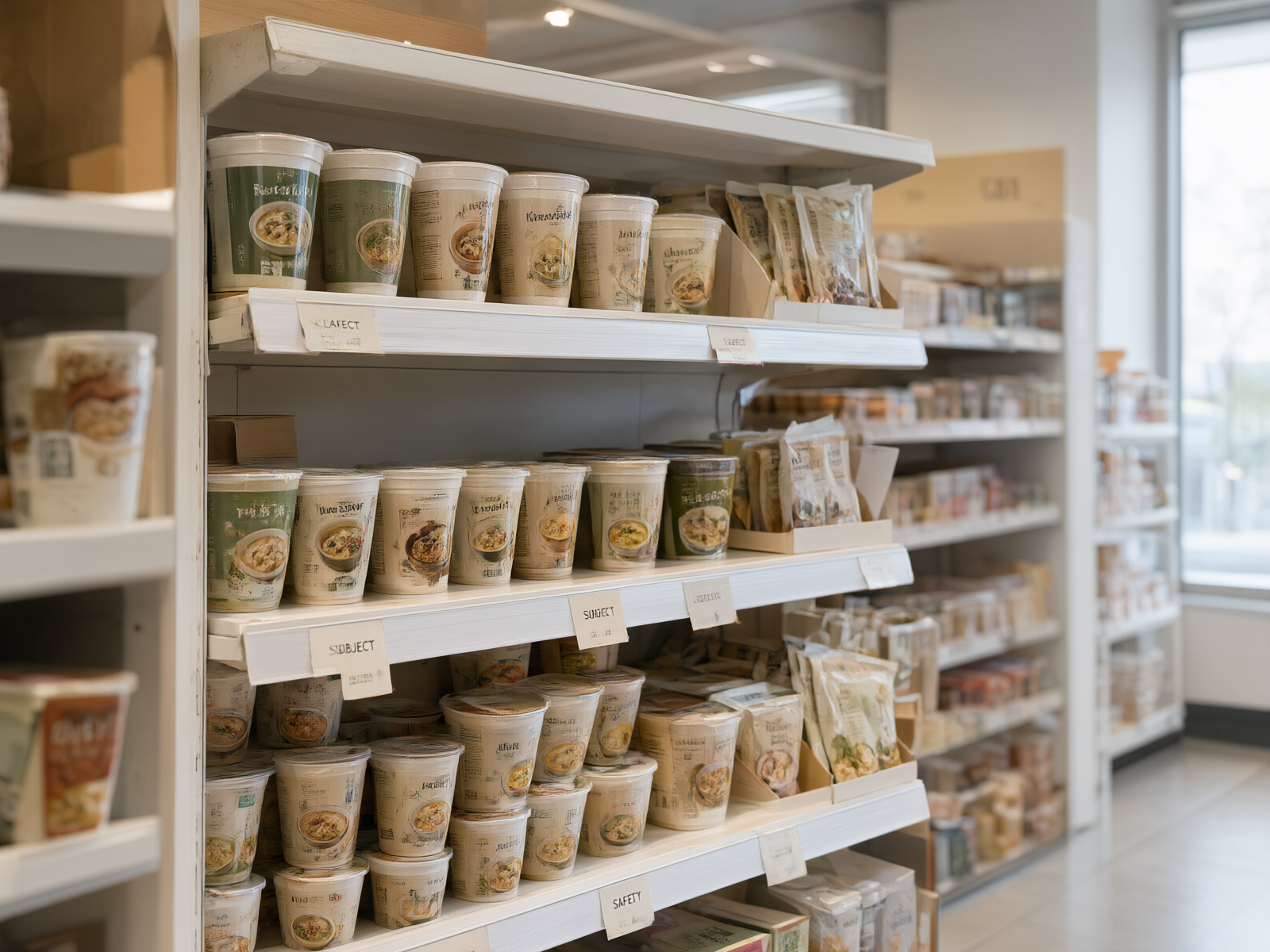
The Southeast Asian instant soup market has sustained growth in recent years. Supermarkets are tightening requirements for shelf life, flavor retention, and cost control, leading to stricter ingredient selection criteria for procurement teams. Konjac instant dried shreds, a new type of ingredient, are now on the shortlist for substitution by instant soup manufacturers.
Practical Challenges of Instant Soup Ingredients
Instant soups must meet stricter shelf-life standards in Southeast Asia's tropical climate. Supermarket channels typically require products to remain stable for over 12 months at room temperature. Ingredient selection must satisfy three criteria: rehydration speed, flavor retention, and cost control.
Traditional ingredient solutions rely on freeze-dried vegetables and dehydrated protein granules. While freeze-dried vegetables rehydrate quickly, their procurement costs fluctuate significantly due to seasonal shifts and global commodity markets. Dehydrated protein granules restore taste well, but many categories depend on imports with complex supply chains and long lead times. For supermarket procurement teams focused on stable SKU management, this volatility complicates inventory planning.
Konjac Instant Dried Shreds Substitution Guide
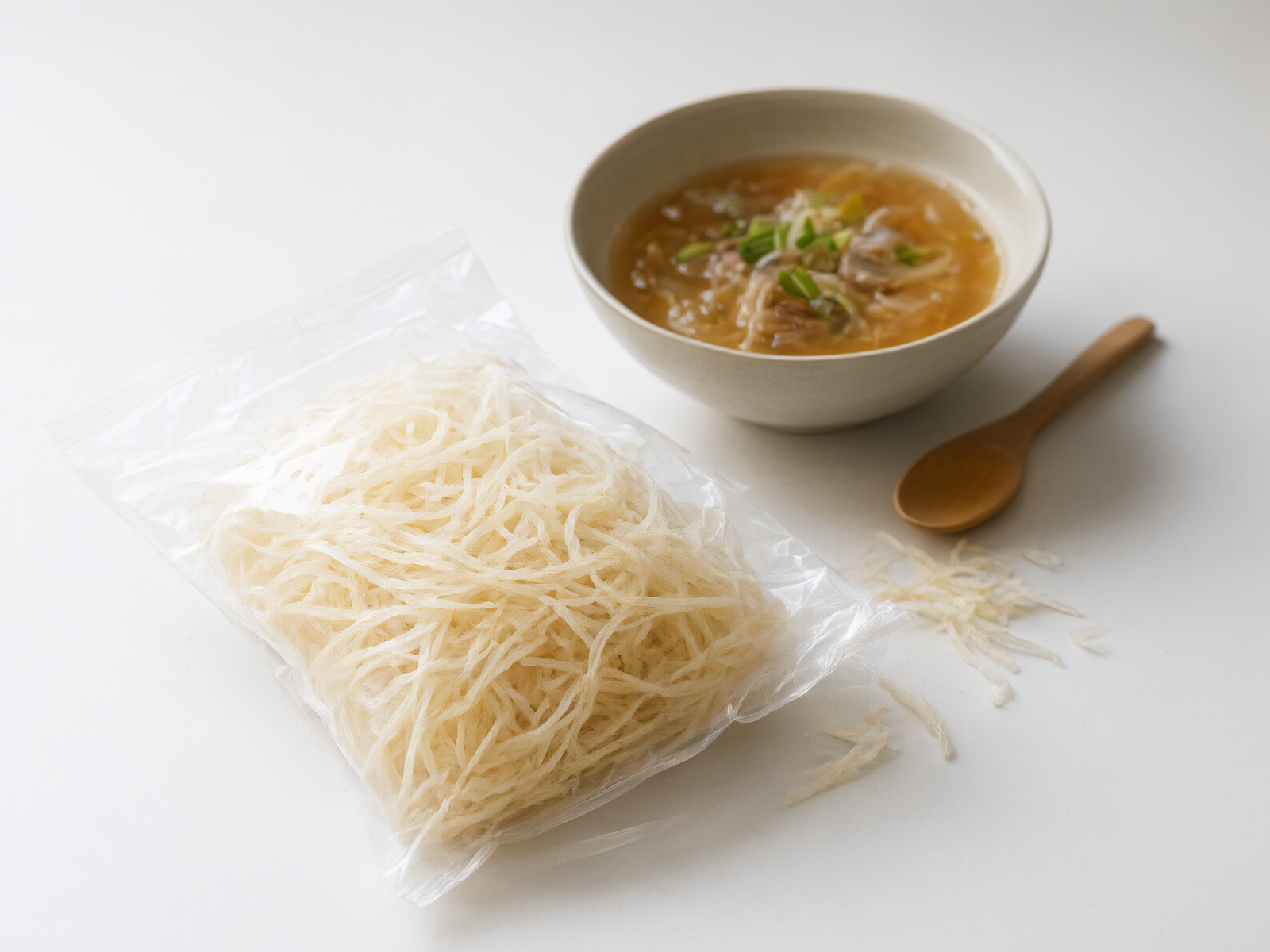
Konjac instant dried shreds are made from konjac glucomannan powder as the primary raw material. The product is created through extrusion, steaming, and drying to form shredded semi-finished goods. The substitution logic rests on three foundations.
At the raw material stage, konjac cultivation is concentrated in southwestern China and select high-altitude regions of Southeast Asia, supported by a mature processing supply chain. Raw material prices remain stable with minimal impact from international market fluctuations. Nutritionally, konjac products naturally offer low-calorie and high-fiber benefits: per 100g of konjac glucomannan powder, calories are negligible and dietary fiber content exceeds 70%, aligning perfectly with today's clean-label and sugar-conscious consumer trends. In use, instant dried konjac shreds rehydrate in hot water within seconds, delivering a crisp, elastic texture that keeps soups clear. They can partially or fully replace vermicelli or vegetables in traditional soups, giving finished products distinctive selling points of "high fiber" and "0 sugar."
Note: Substitution is not a simple swap. When adjusting product formulas, ensure the seasoning system remains compatible—konjac has a neutral flavor and must be tested against the soup base's flavor profile. Sample trials are typically required to achieve the ideal taste balance.
Supply Chain Stability Evaluation Dimensions
For supermarket procurement teams, ingredient substitution feasibility hinges not just on the product itself but primarily on the supplier's consistent delivery capability. Assessing supply chain stability typically involves three key areas: production capacity assurance, quality control consistency, and export compliance.
Production capacity: Companies like Huizhou Molikouliang Food Co., Ltd., which specializes in konjac health foods, use standardized production lines and ample capacity to reliably fulfill large-volume orders, minimizing the risk of supply disruptions. Quality control: Full-process quality management—from raw material sourcing to final delivery—ensures consistent batch-to-batch quality. This is a mandatory requirement for supermarket suppliers and essential for long-term partnerships. Export compliance: Konjac products already have established import channels in many Southeast Asian countries, with clear product classifications and inspection standards, keeping compliance risks manageable.
Of course, cross-border procurement also requires considering logistics timeliness, tariff policies, and minimum order quantity thresholds. These factors demand that suppliers have foreign trade experience and flexible business response capabilities.
Conclusion
Ingredient substitution solutions are evaluated across three dimensions: product compatibility, supply continuity, and total cost. Konjac instant dried shreds prove highly feasible in all areas: stable raw material sourcing, nutritional profile aligned with health trends, and standardized production that meets supermarket quality standards. For the Southeast Asian instant soup market, this approach not only mitigates supply volatility of traditional ingredients but also opens new avenues for product innovation. When selecting a supplier, prioritize partners who can provide verifiable data and a consistent track record of fulfillment.